✾ On SARS-CoV-2 infections (COVID-19), brain damage, neurological damage, and dementia
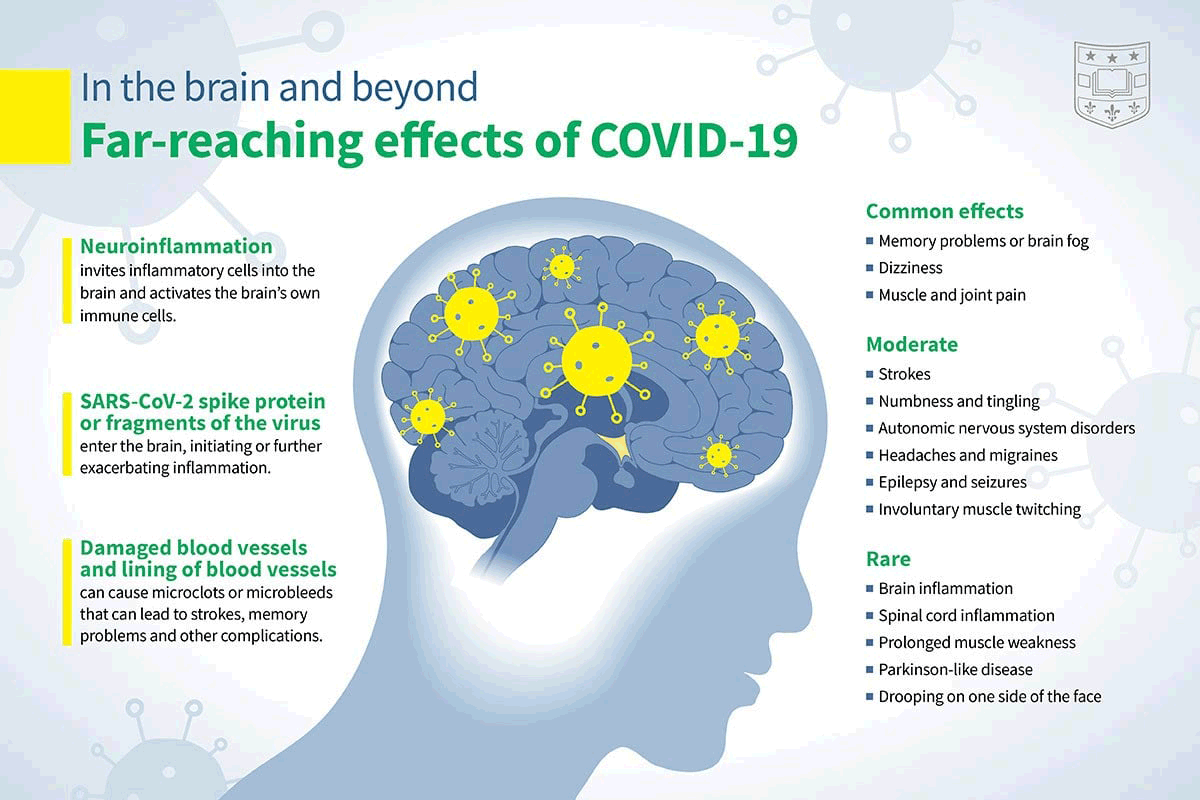
‘Although COVID-19 was originally considered a respiratory illness, it is now well established that SARS-CoV-2 infection can have far-reaching impacts on the nervous system.
Common neurological symptoms in Long COVID [PASC] include new-onset cognitive difficulties, dysautonomia, fatigue, and peripheral neuropathy.’
from ‘Neuroimmune pathophysiology of long COVID’ by Moen et al / Psychiatry and Clinical Neurosciences (2025).
❦ Dysautonomia is a condition in which the autonomic nervous system (ANS) does not work properly. This condition may affect the functioning of the heart, bladder, intestines, sweat glands, pupils, and blood vessels.
❦ A 42-minute read.
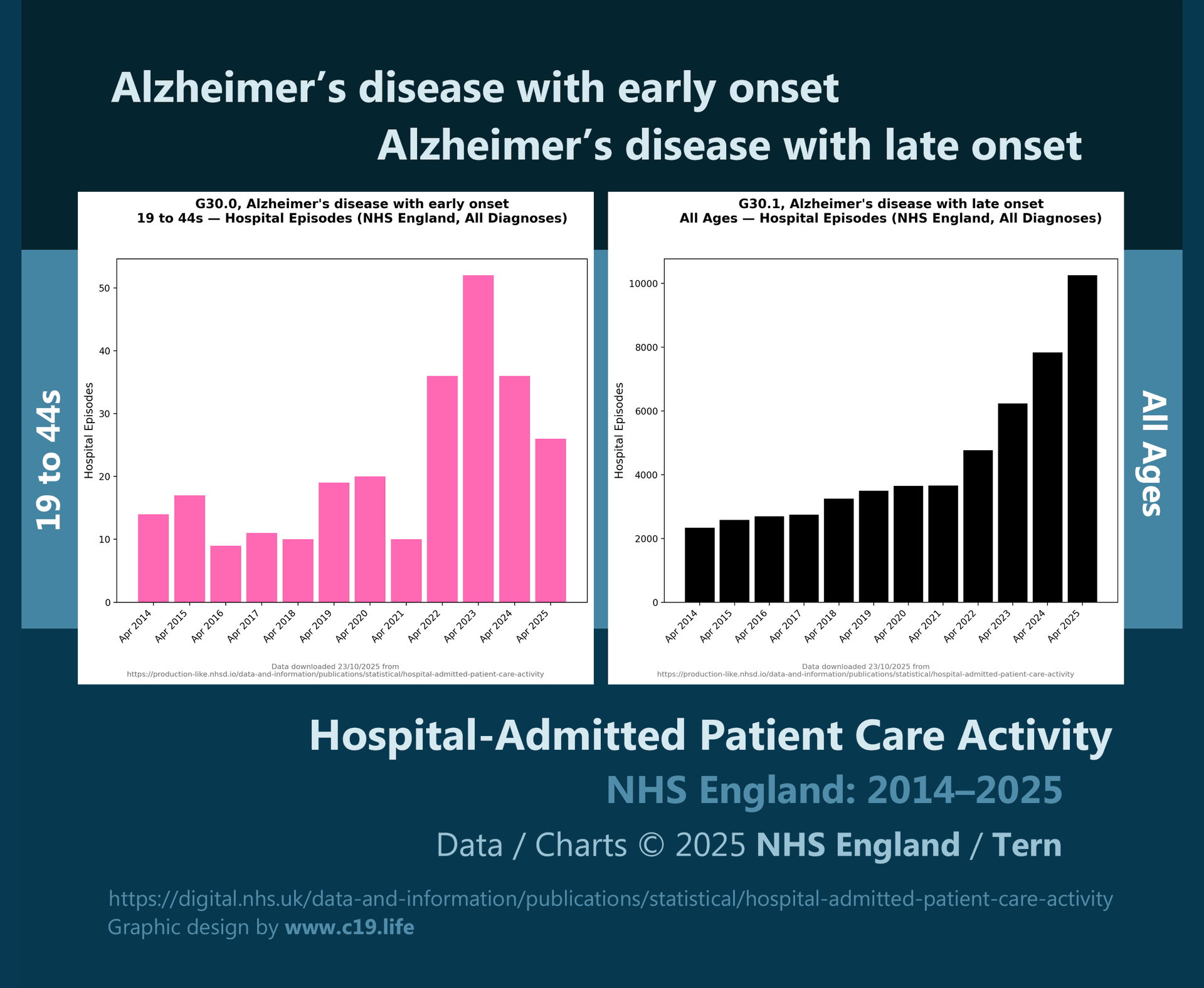
“In people with pre-existing dementia, SARS-CoV-2 infection is repeatedly associated with faster cognitive decline.
For families, that can mean the difference between years at home and a rapid fall over months.”
from “A Raven’s Overview” by Zdeněk Vrožin (2026)
📖 (5 Jul 2023 ~ The Lancet Regional Health: Western Pacific) Post-COVID cognitive dysfunction: current status and research recommendations for high risk population ➤
‘The clinical manifestations of COVID-19 [SARS-CoV-2 infection] range from asymptomatic to fatal.
Post-COVID-19 conditions are characterized by multi-organ structural and functional impairment, including cardiovascular, neurological, psychiatric, hematological, pulmonary, and dermatological injury.
Although COVID-19 primarily presents as a respiratory infection with flu-like symptoms, it is now considered a multi-organ disease, often involving the nervous system.
Recent evidence indicates that approximately 80% of people who are infected with COVID-19 have one or more long-term symptoms.’
© 2023 Quan et al / The Lancet Regional Health: Western Pacific.

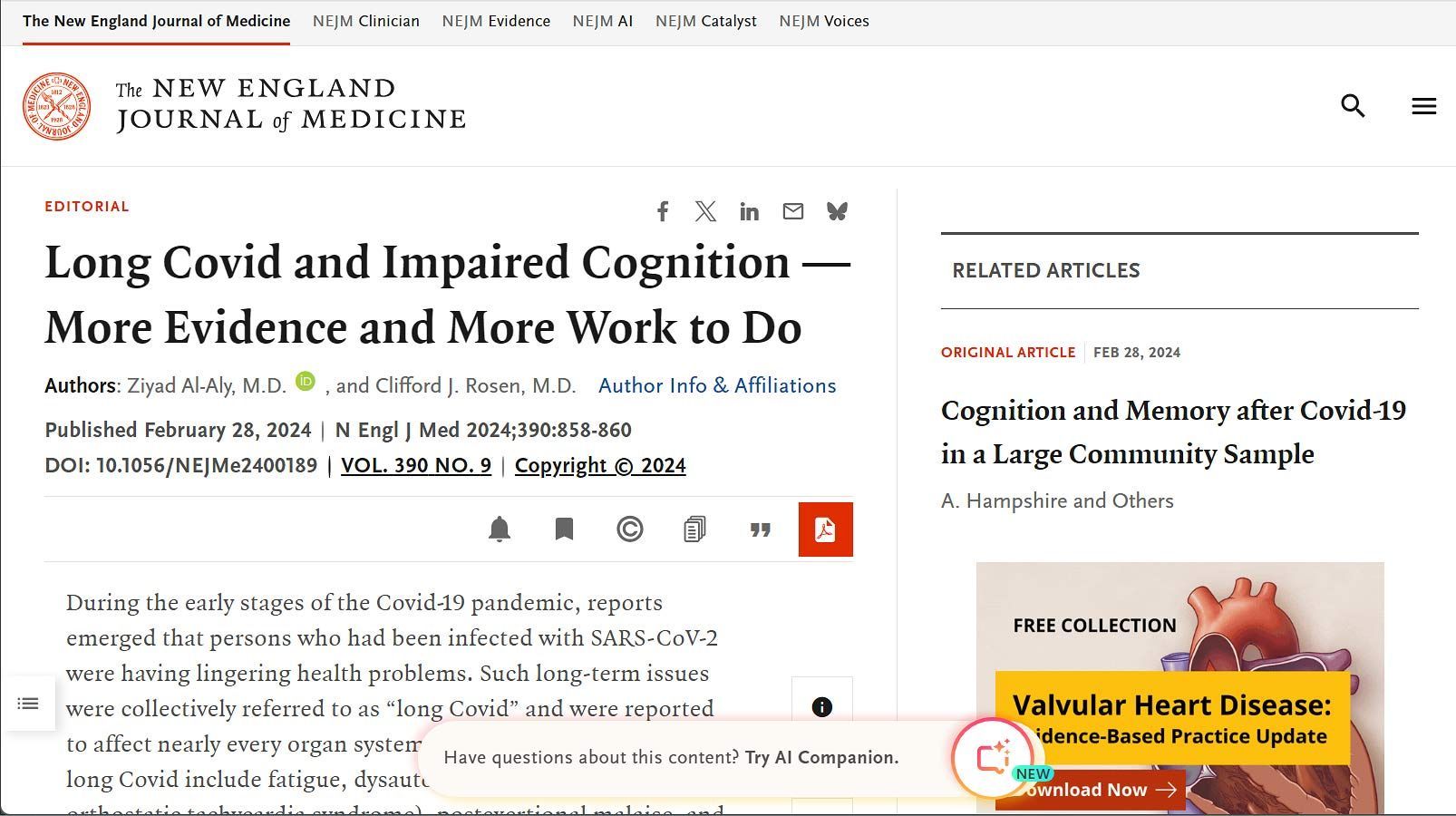
📖 (28 Feb 2024 ~ The New England Journal of Medicine) Long Covid and Impaired Cognition – More Evidence and More Work to Do ➲
‘Putative Mechanisms of Cognitive Dysfunction in Long Covid.
The putative mechanisms of cognitive dysfunction in long Covid include viral persistence, activation of complement and platelet aggregation leading to microthrombosis and fusion of neurons and glial cells, neuroinflammation and impaired neurogenesis, and low-serotonin–induced dysfunction in vagal signaling. CRH denotes corticotropin-releasing hormone.’
© 2024 Al-Aly & Rosen / The New England Journal of Medicine.
📖 (23 Jan 2025 ~ PLOS Medicine) Persistent symptoms and clinical findings in adults with Post-Acute Sequelae of COVID-19 / Post-COVID-19 Syndrome (PCS) in the second year after acute infection ➲
‘Many patients with persistent Post-COVID-19 Syndrome [PASC] show impaired executive functioning, reduced cognitive processing speed, and reduced physical exercise capacity.’
© 2025 R. Peter et al / PLOS Medicine.
📖 (13 Sep 2022 ~ Science Daily / Journal of Alzheimer’s Disease) Risk for Developing Alzheimer’s Disease Increases by 50-80% In Older Adults Who Caught COVID-19 ➲
‘Older people who were infected with COVID-19 show a substantially higher risk – as much as 50% to 80% higher than a control group – of developing Alzheimer’s disease within a year, according to a study of more than 6 million patients 65 and older.
And the highest risk was observed in women at least 85 years old.
The findings showed that the risk for developing Alzheimer’s disease in older people nearly doubled (0.35% to 0.68%) over a one-year period following infection with COVID-19.’
© 2022 Science Daily / Davis et al ~ Journal of Alzheimer’s Disease.
📖 (19 Apr 2023 ~ Nature Scientific Reports) Cognitive impairment in young adults with post COVID-19 syndrome ➤
‘Regarding the different cognitive functions, our results reveal that attention is the one that shows the greatest deficit, regardless of the age of the patients (more than 25% of patients in each age group exhibit a moderate attention deficit).
Processing speed was also a cognitive process that was impaired relatively homogeneously across age groups; however, the results indicate that the youngest patients show a much slower processing speed (33.3% of those under 50 years of age) compared to the oldest (5.1% of those over 50 years of age).
The highest percentage of patients with severe verbal memory impairment was also found in the younger patients group.
In long-term memory, 20.7% of the youngest group showed a severe deficit and 24.1% a mild impairment, while a minimum proportion of the elderly showed alterations in this area.
The results presented here reveal that at least 85% of the participants exhibit deficits in one neuropsychological test.
Also, the youngest patients were those who showed the most marked and heterogeneous cognitive impairment.’
© 2023 Herrera et al / Nature Scientific Reports.
📖 (27 Feb 2024 ~ Nature Scientific Reports) Neuroimaging findings in children with COVID-19 infection: a systematic review and meta-analysis ➤
‘Initially focused on respiratory symptoms, it’s now clear that COVID-19 presents a complex clinical picture affecting various organ systems.
Our findings reveal that a substantial proportion of pediatric COVID-19 patients with neurological symptoms exhibit abnormal neuroimaging findings, with 43.74% of children in the included studies demonstrating such abnormalities.’
© 2024 Safadieh et al / Nature Scientific Reports.
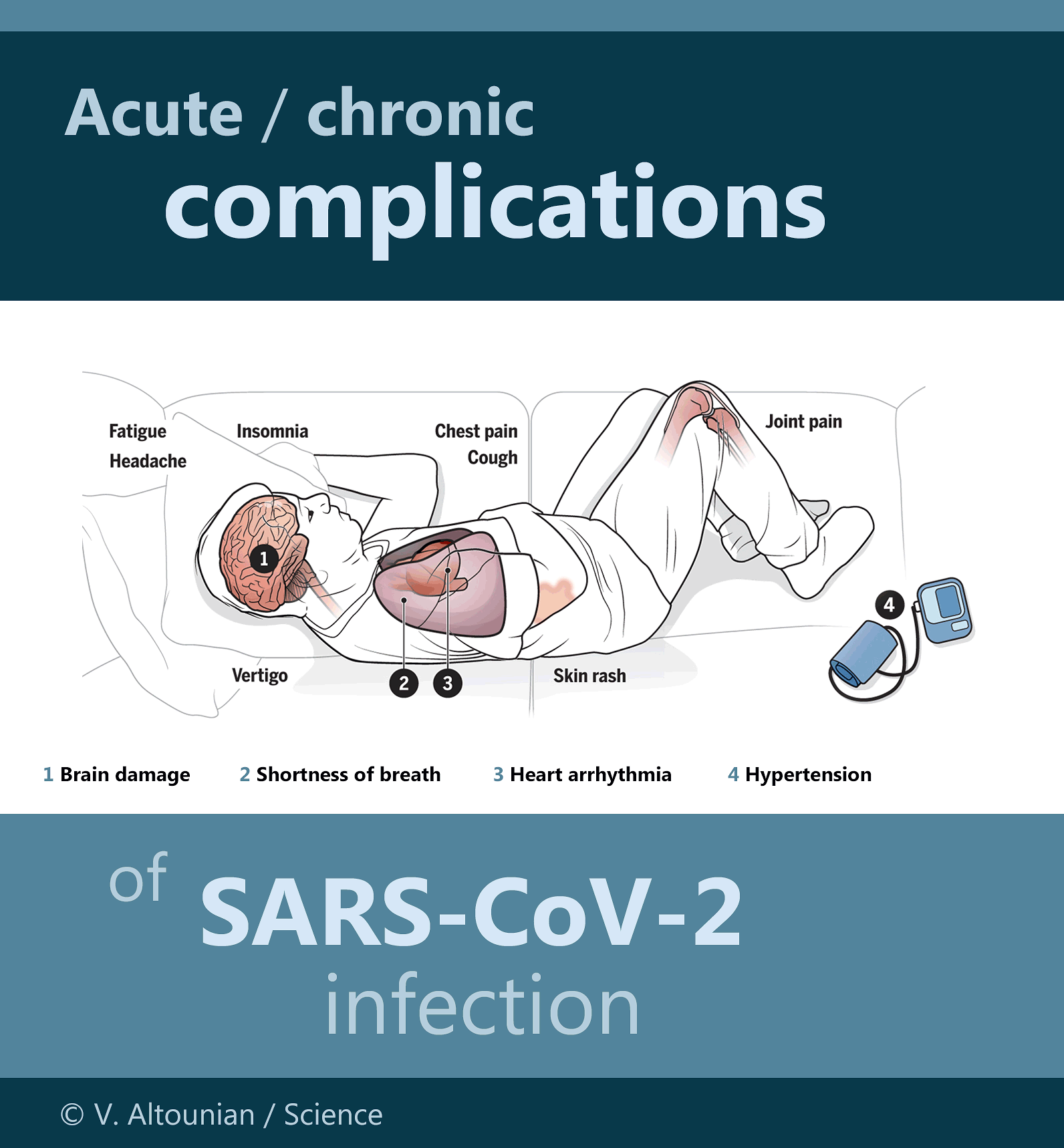
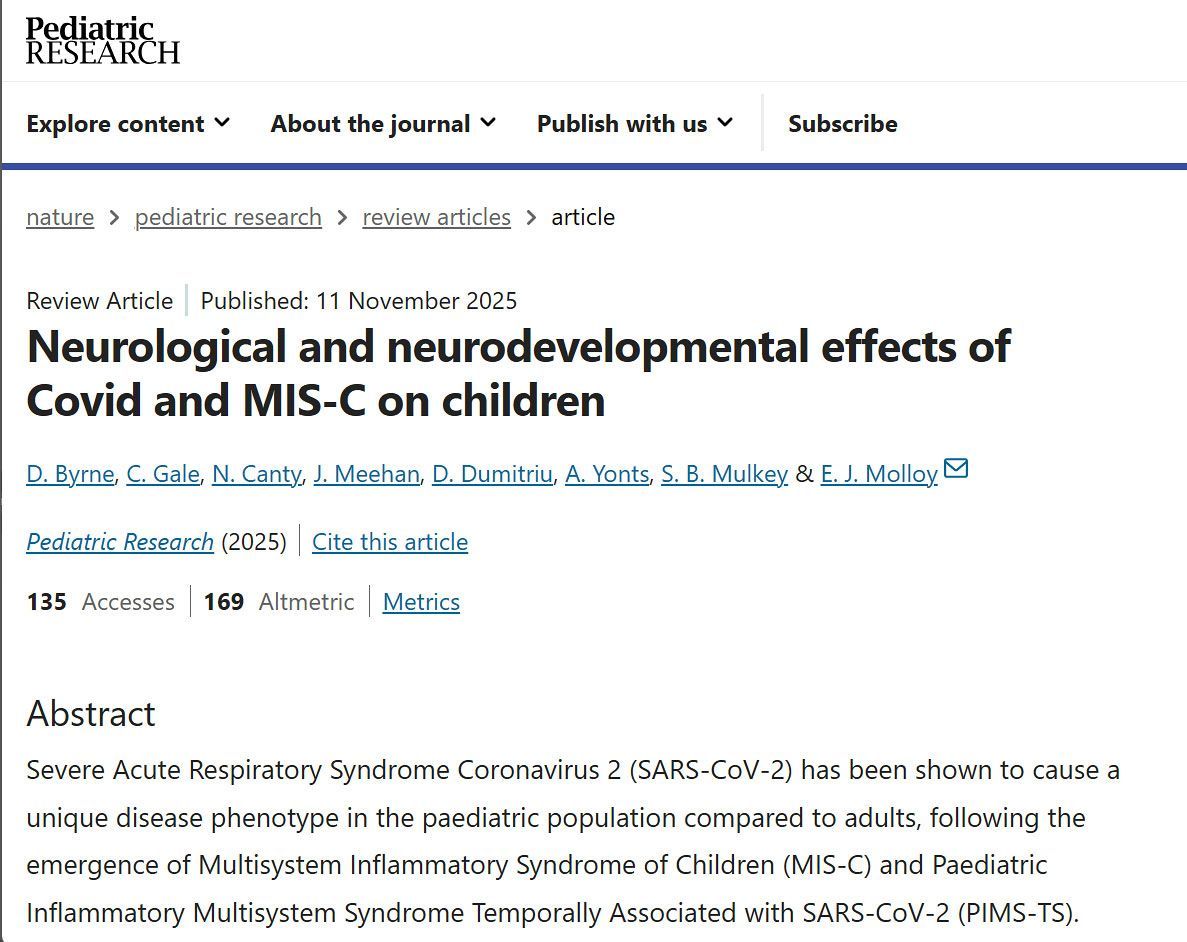
📖 (11 Nov 2025 ~ Nature Pediatric Research) Neurological and neurodevelopmental effects of Covid and MIS-C on children ➤
‘While the respiratory symptoms of COVID-19 have dominated the early narratives of the disease, it has become increasingly clear that the virus’s impact stretches far beyond the lungs.
The pediatric population, once thought to be relatively spared from severe outcomes, has presented with significant neurological manifestations that raise concerns about the short- and long-term effects of SARS-CoV-2 on the developing nervous system.’
Overview for lay-person: 📖 (12 Nov 2025 ~ Bioengineer) Neurological Impacts of COVID and MIS-C in Children ➤
© 2025 Byrne et al ~ Nature Pediatric Research / Bioengineer.
📖 (16 Jan 2023 ~ Brain) Haemorrhage of human foetal cortex associated with SARS-CoV-2 infection ➤
‘Strikingly, the [foetal brain] haemorrhages are predominantly found in the late first and early second trimester of gestation.
Specifically, the majority were between 12 and 14 PCW [post-conception week], a critical window of human foetal brain development when the endothelial tight junctions increase to form the blood-brain barrier (BBB).
Our observations of disrupted foetal cerebral vasculature are consistent with reports of damage to the microvasculature of the adult brain in SARS-CoV-2 infected patients.’
© 2023 Massimo et al / Brain.
📖 (1 Oct 2023 ~ New Atlas / Nature Communications) All variants of COVID-19 can infect the brain, study finds ➲
‘Interestingly, the findings confirmed epidemiological observations showing acute disease severity is reduced in Omicron infections – however, all [SARS-CoV-2] variants demonstrated similar neuroinvasive capabilities.
And, most strikingly, all variants infected the brain’s olfactory regions regardless of whether symptoms of anosmia (the loss of sense of smell) were present or not.’
© 2023 Rich Haridy ~ New Atlas / Dias de Melo et al ~ Nature Communications.

📖 (30 Aug 2023 ~ Trends in Cognitive Sciences) Effects of COVID-19 on cognition and brain health ➤
‘Executive dysfunction is a commonly reported effect in the acute stage, especially in patients over 60 years of age with moderate to severe acute symptoms.’
© 2023 Zhao et al / Trends in Cognitive Sciences.
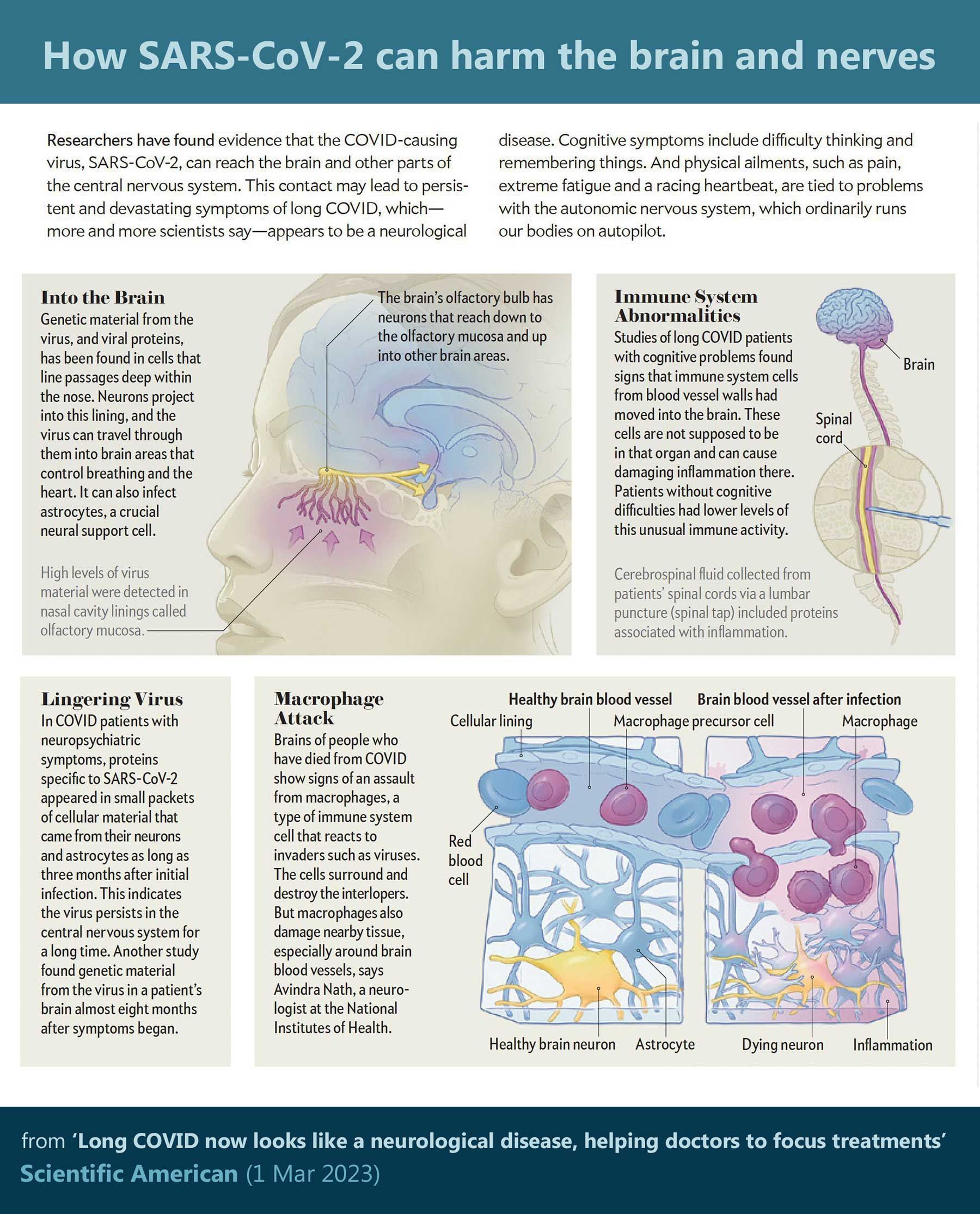
‘Researchers have found evidence that the COVID-causing virus, SARS-CoV-2, can reach the brain and other parts of the central nervous system. This contact may lead to persistent and devastating symptoms of PASC (Post-Acute Sequelae of COVID-19, or ‘long COVID’), which – more and more scientists say – appears to be a neurological disease.
Cognitive symptoms include difficulty thinking and remembering things.
And physical ailments, such as pain, extreme fatigue and a racing heartbeat, are tied to problems with the autonomic nervous system, which ordinarily runs our bodies on autopilot.’
From (1 Mar 2023 ~ Scientific American) Long COVID now looks like a neurological disease, helping doctors to focus treatments ➤
📖 (19 Jun 2025 ~ Psychiatry and Clinical Neurosciences) Neuroimmune pathophysiology of long COVID ➤
‘Despite the perception that COVID-19 is now a mild disease, there is overwhelming evidence indicating that SARS-CoV-2 infection is capable of producing widespread post-acute sequelae in a significant percentage of infections.
This includes a substantial impact on the nervous system resulting from a combination of direct infection, systemic inflammation, immune dysfunction, vascular complications, and tissue hypoxia.’
© 2025 Moen et al / Psychiatry and Clinical Neurosciences.
❦ Brain damage is a term that describes the destruction or degeneration of brain cells, which can result from various causes such as trauma, stroke, tumours, infection, lack of oxygen, or other illnesses.
Brain damage can be categorised into two main types:
- Traumatic Brain Injury (TBI), caused by an external force like a blow to the head or a penetrating object
- and Acquired Brain Injury (ABI), which occurs at the cellular level and is often associated with conditions like stroke, tumours, or anoxia.
- Significant ABI can be caused by viral, bacterial and fungal infections.
Brain damage can be focal – affecting a specific area – or diffuse, involving multiple areas of the brain.
Brain damage can lead to a range of impairments in cognitive, physical, emotional, or independent functioning – including problems with
- memory
- attention
- reasoning
- speech
- motor-control (eg. balance)
- and psychosocial behaviour.
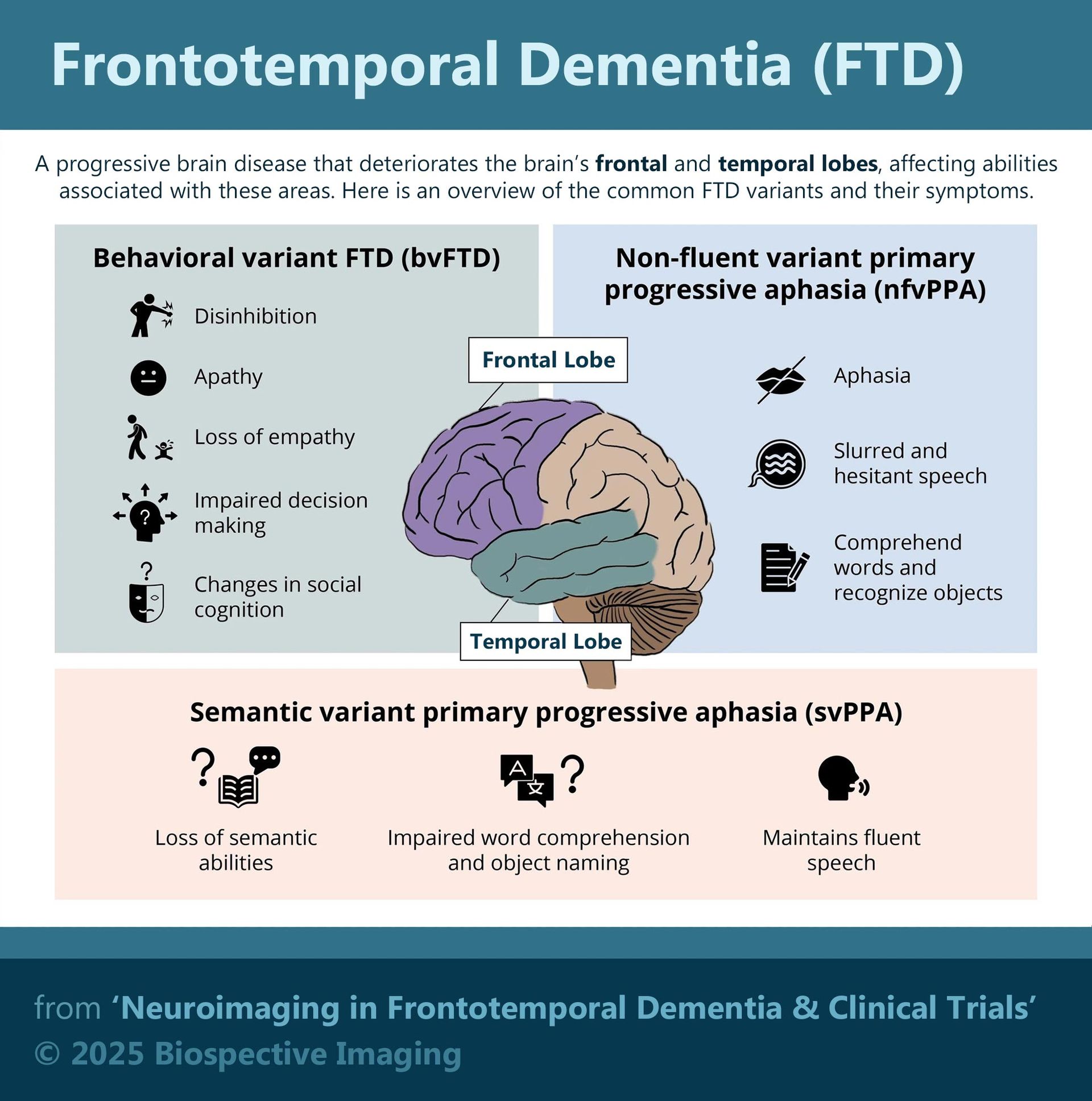
📖 (22 Feb 2024 ~ Nature Neuroscience) Blood-brain barrier disruption and sustained systemic inflammation in individuals with long COVID-associated cognitive impairment ➲
‘Our data suggest that sustained systemic inflammation and persistent localized blood-brain barrier (BBB) dysfunction is a key feature of long COVID-associated brain fog.
Patients with long COVID had elevated levels of IL-8, GFAP and TGFβ – with TGFβ specifically increased in the cohort with brain fog.
GFAP is a robust marker of cerebrovascular damage and is elevated after repetitive head trauma, reflecting BBB disruption, as seen in contact sport athletes and in individuals with self-reported neurological symptoms in long COVID.
Interestingly, TGFβ was strongly associated with BBB disruption and structural brain changes.’
© 2024 Greene et al / Nature Neuroscience.
📖 (20 March 2025 ~ Interview with David Putrino ~ Radio-Canada / Canadian Broadcasting Corporation) Beyond Long COVID – How reinfections could be causing silent long-term organ damage ➤
“There was a recent 2024 study showing us that individuals who survive an acute COVID-19 infection – these are not individuals who are getting diagnosed with long COVID – on average will lose somewhere in the neighbourhood of two to six IQ points per infection.
For the longest time in the field of immunology, there was the sort of adage that your immune system needs to be tested every now and again to stay strong.
That’s an old-fashioned idea.
The more new-fashioned and evidence-based idea is that, although your immune system can take on an infection, you want to avoid testing it as much as possible because your body is sustaining damage with each infection that it survives.”
© 2025 David Putrino / Canadian Broadcasting Corporation (CBC).
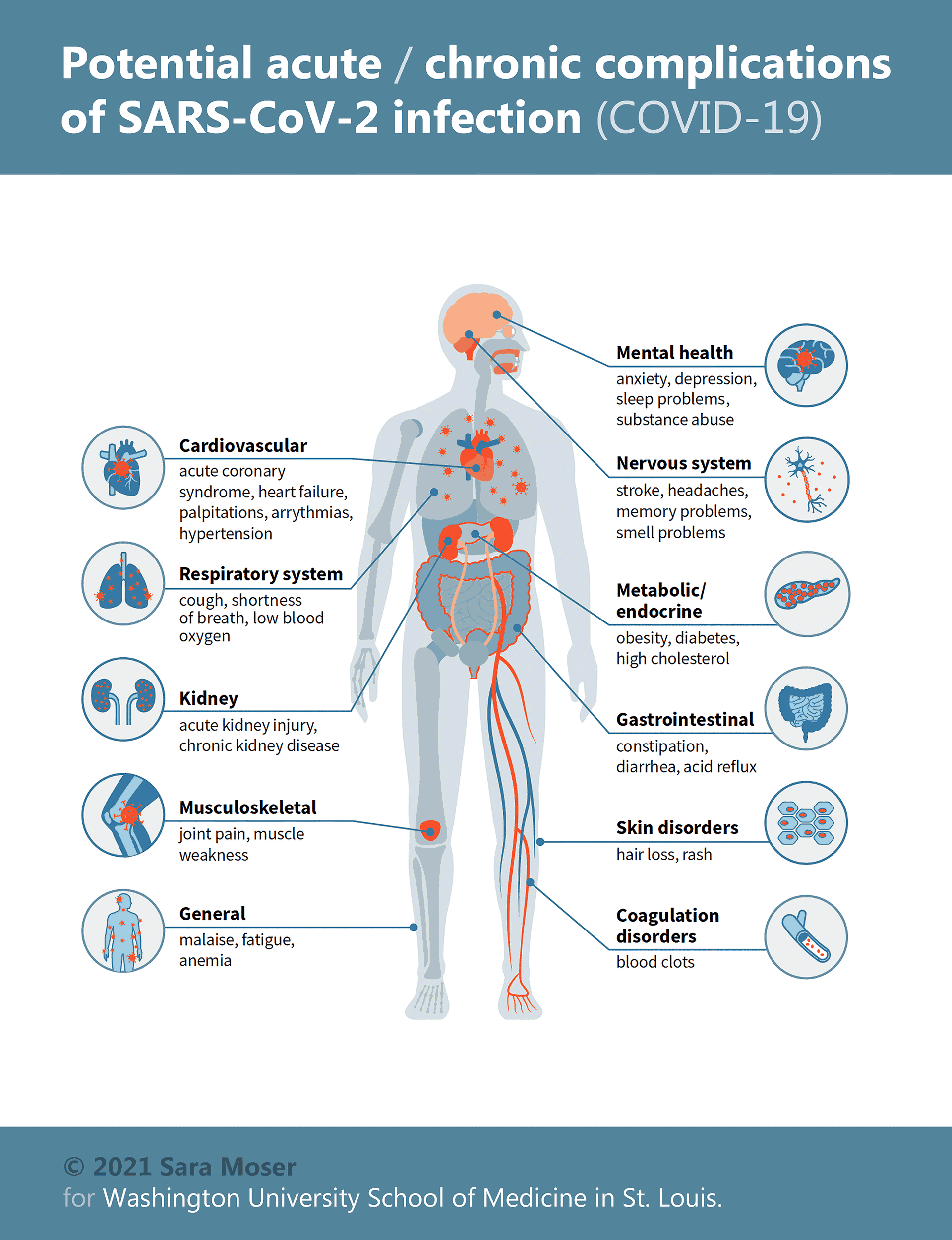
❦ SARS-CoV-2 (COVID-19) infections can lead to short- or long-term health effects in nearly every organ system of the body.
✺ Nervous System
- Stroke
- Headaches
- Memory problems
- Problems with smell & taste.
✺ Mental Health
- Anxiety
- Depression
- Sleep problems
- Substance abuse.
✺ Gastrointestinal System
- Constipation
- Diarrhoea
- Acid reflux.
✺ Skin Disorders
- Rash
- Hair loss.
✺ Coagulation Disorders
- Blood clots.
✺ Respiratory System
- Cough
- Shortness of breath
- Low blood oxygen.
✺ Cardiovascular System
- Acute coronary disease
- Heart failure
- Palpitations
- Arrythmias.
✺ Musculoskeletal System
- Joint pain
- Muscle weakness.
✺ Metabolic / Endocrine System
- Obesity
- Diabetes
- High cholestrol.
✺ Kidney
- Acute kidney injury
- Chronic kidney disease (CKD).
✺ General
- Fatigue
- Malaise
- Anaemia.
© 2021 Sara Moser / Washington University School of Medicine in St. Louis.
📖 (16 Jan 2024 ~ American Heart Association) Beyond breathing: How COVID-19 affects your heart, brain and other organs ➲
“I would argue that COVID-19 is not a disease of the lungs at all.
It seems most likely that it is what we call a vascular and neurologic infection, affecting both nerve endings and our cardiovascular system.”
“In addition to the cognitive impairment, we see worsening or new-onset migraines. We see new neuropathy in the legs and the arms – numbness, tingling, difficulty walking – because of the neuropathy.”
© 2024 Michael Merschel / American Heart Association.
📖 (22 Sep 2022 ~ Nature Medicine) Long-term neurologic outcomes of COVID-19 ➤
‘Our results show that in the post-acute phase of COVID-19, there was increased risk of an array of incident neurologic sequelae including ischemic and hemorrhagic stroke, cognition and memory disorders, peripheral nervous system disorders, episodic disorders (for example, migraine and seizures), extrapyramidal and movement disorders, mental health disorders, musculoskeletal disorders, sensory disorders, Guillain-Barré syndrome, and encephalitis or encephalopathy.’
© 2022 Xu, Xie & Al-Aly / Nature Medicine.
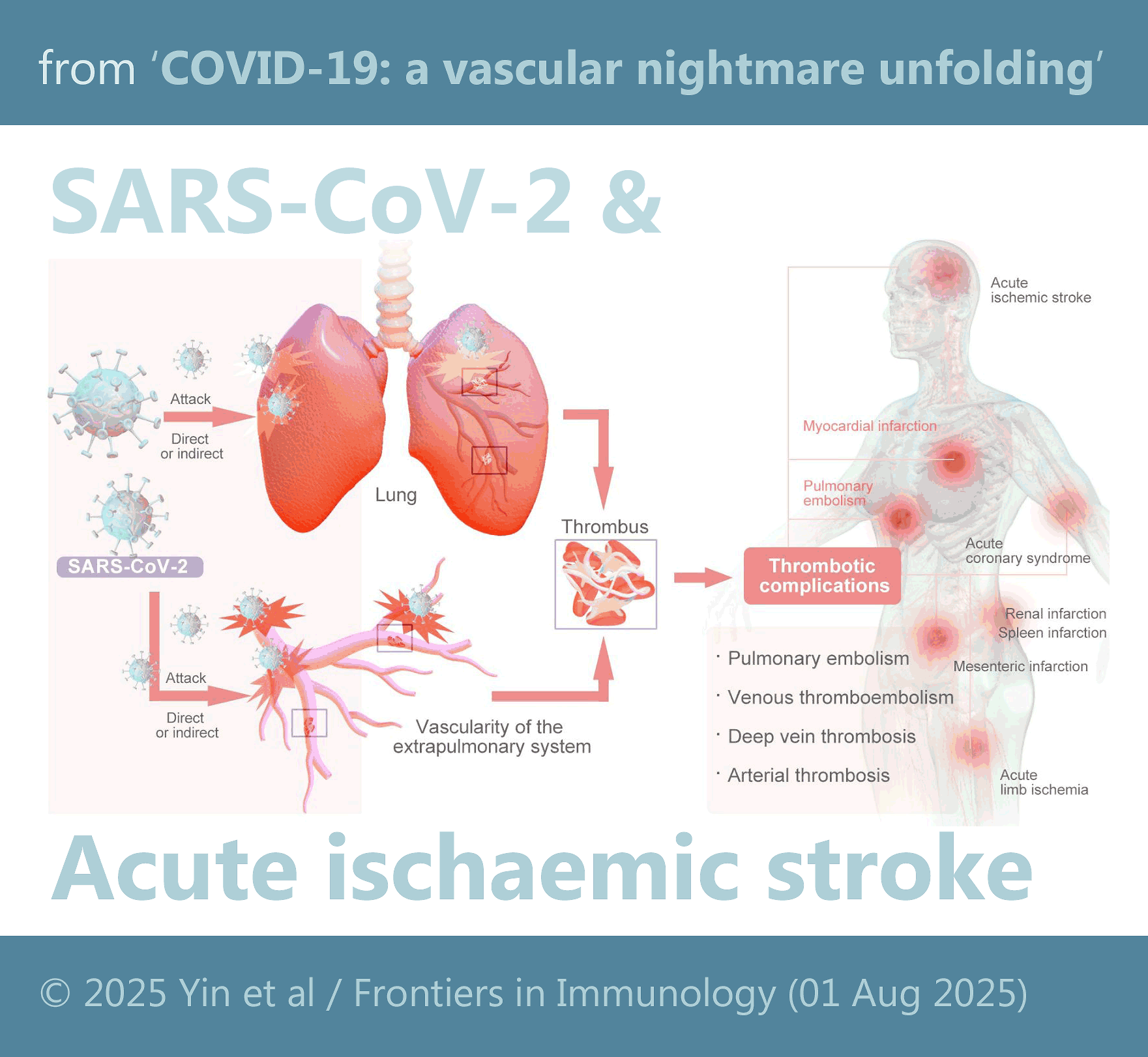
‘Arterial thrombosis is a notable occurrence in COVID-19 patients, leading to various complications, such as acute ischemic stroke (AIS), acute coronary syndrome (ACS), acute limb ischemia (ALI), mesenteric infarction, renal infarction, and spleen infarction.’
Image: 📖 1 Aug 2025 ~ Frontiers in Immunology) COVID-19: a vascular nightmare unfolding ➤
❦ ‘The incidence of hospitalisation with cerebral infarction [ischaemic stroke] was twice as high after COVID‐19 onset.
Other investigators have estimated the risk of stroke to be 2–13 times as high for people with COVID‐19.’ (The Medical Journal of Australia ~ 2022) ➲
📖 (15 Jul 2023 ~ Acta Neuropathologica) Vagus nerve inflammation contributes to dysautonomia in COVID-19 ➤
‘Our data suggest that SARS-CoV-2 induces vagus nerve inflammation, followed by autonomic dysfunction, which contributes to critical disease courses.
The vagus nerve could be particularly susceptible to SARS-CoV-2 infection as it is directly innervating the respiratory tract, which is the primary site of infection.’
© 2023 Woo et al / Acta Neuropathologica.
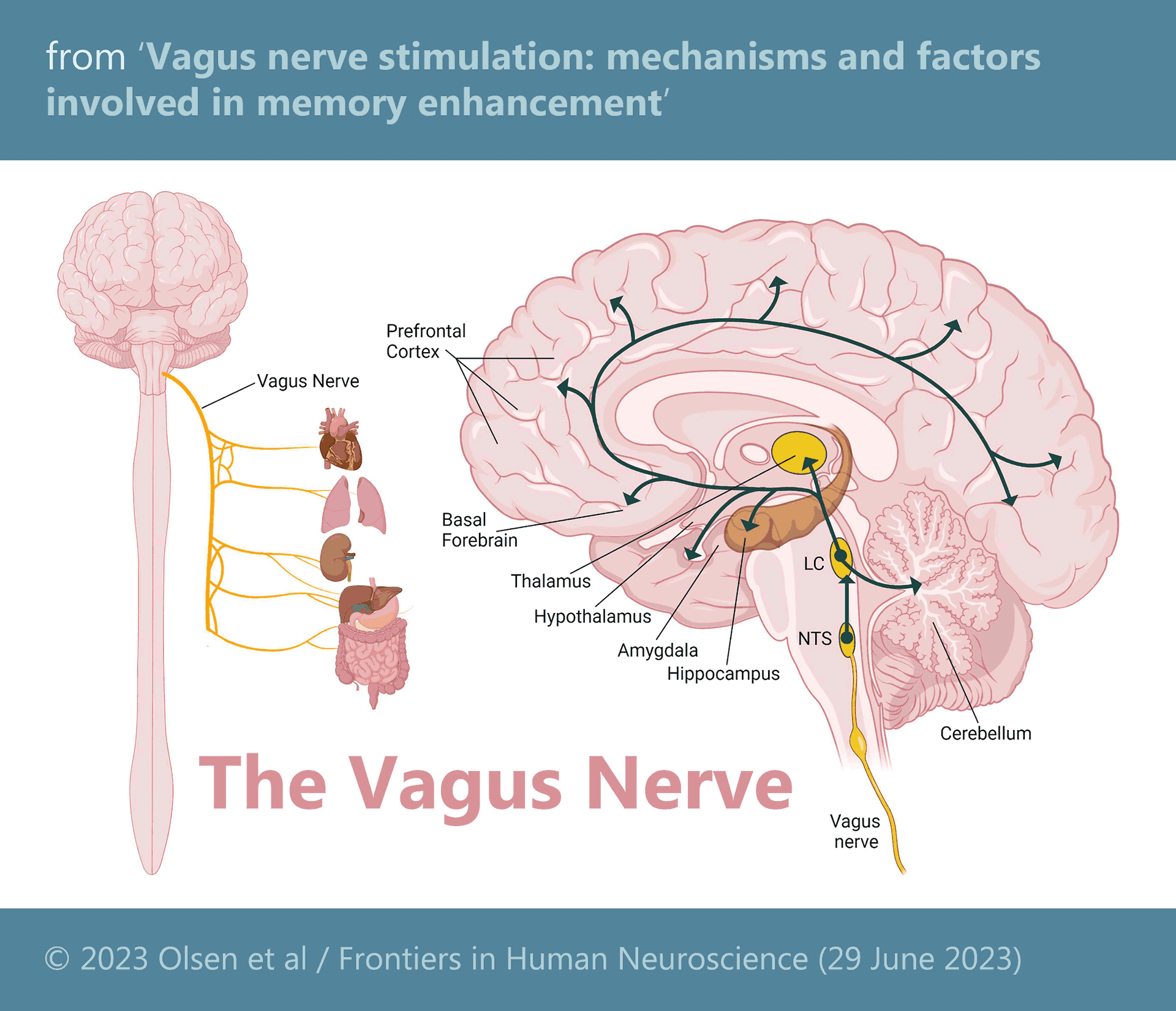
❦ Inflammation of the vagus nerve can lead to autonomic dysfunction, or ‘dysautonomia’.
✺ Autonomic dysfunction (dysautonomia) is a group of disorders affecting the autonomic nervous system (ANS).
➲
Signs
of
autonomic dysfunction
include:
- Tachycardia (fast heart-rate)
- Orthostatic hypotension (dizziness or fainting upon standing)
- Gastrointestinal disorders (e.g. constipation, diarrhoea, loss of appetite, difficulty swallowing, difficulty digesting food)
- Disturbed bladder function (e.g. incontinence, difficulty starting urination, incomplete emptying of the bladder)
- Temperature dysregulation (e.g. sensitivity to heat or cold; cold, discoloured hands and feet)
- Sexual dysfunction (e.g. difficulty with ejaculation or maintaining an erection; vaginal dryness)
- Vision problems (e.g. inability of the pupils to react to light quickly; blurred vision)
- Sleep problems.
📖 (15 Jan 2025 ~ Molecular Psychiatry) Choroid plexus volume is enlarged in long COVID and associated with cognitive and brain changes ➤
‘Patients with post-COVID condition (PCC/PASC) present with diverse symptoms which persist at long-term after SARS-CoV-2 infection.
Among these symptoms, cognitive impairment is one of the most prevalent and has been related to structural and functional changes in the brain.
Results revealed choroid plexus (ChP) volume enlargement in PCC patients compared to healthy controls.
The ChP enlargement was associated with cognitive dysfunction, grey matter volume reduction in frontal and subcortical areas, white matter integrity, diffusivity changes, and functional connectivity changes.’
© 2025 Diez-Cirada et al / Molecular Psychiatry.
📖 (7 Mar 2022 ~ Nature) SARS-CoV-2 is associated with changes in brain structure in UK Biobank ➤
‘After infection with SARS-CoV-2, individuals show a greater reduction in grey matter thickness and tissue contrast in the orbitofrontal cortex and parahippocampal gyrus; greater changes in markers of tissue damage in regions that are functionally connected to the primary olfactory cortex; and a greater reduction in global brain size.
Significantly greater cognitive decline was observed in the SARS-CoV-2-positive group, and this decline was associated with greater atrophy of crus II – a cognitive lobule of the cerebellum.’
© 2022 Douaud et al / Nature.
❦ Executive function
- A set of cognitive processes that helps you manage tasks, make plans, solve problems, adapt to new situations, and control your emotions.
- These skills involve working memory, cognitive flexibility, and inhibition control.
- Damage to the brain’s prefrontal cortex and related areas can lead to executive dysfunction.
❦ Motor function
- The ability of the body to perform movements through the co-ordination of the nervous system, muscles, and brain.
- Motor function includes voluntary actions like walking, running or writing – and involuntary actions, such as reflexes.
- Clumsiness and balance issues can be examples of motor dysfunction.
📖 (10 Apr 2023 ~ Nature Scientific Reports) Cerebral hypoperfusion in post-COVID-19 cognitively impaired subjects revealed by arterial spin labeling MRI ➤
‘The results showed a significant hypoperfusion in a widespread cerebral network in the post-COVID-19 group, predominantly affecting the frontal cortex, as well as the parietal and temporal cortex.
The hypoperfusion areas identified in the right hemisphere regions were more extensive.
These findings support the hypothesis of a large network dysfunction in post-COVID subjects with cognitive complaints.’
© 2023 Ajčević et al / Nature Scientific Reports.
📖 (19 Jan 2024 ~ Nature Scientific Reports) Microstructural brain abnormalities, fatigue, and cognitive dysfunction after mild COVID-19 ➲
‘We conducted a cross-sectional study of 97 consecutive subjects (median age of 41 years) after a mild infection, with a median of 79 days (and mean of 97 days) after diagnosis of COVID-19.
The patients reported memory loss (36%), fatigue (31%), and headache (29%).
The quantitative analyses confirmed symptoms of fatigue (83% of participants), excessive somnolence (35%), impaired phonemic verbal fluency (21%), impaired verbal categorical fluency (13%), and impaired logical memory immediate recall (16%).
Our results suggest persistent cognitive impairment and subtle white matter abnormalities in individuals mildly infected.’
© 2024 Scardua-Silva et al / Nature Scientific Reports.
❦ Neuropsychological assessments
- Verbal fluency tests are a standard component of neuropsychological assessment used to evaluate cognitive function and executive dysfunction, particularly in the context of brain damage, or neurodegenerative diseases like Alzheimer’s.
❦ Phonemic verbal fluency
- A phonemic fluency test is a cognitive task where a participant is asked to generate as many words as possible beginning with a specific letter within a set time frame, typically one minute.
❦ Verbal categorical fluency
- A categorical fluency test is a cognitive task where a participant is asked to produce as many words as possible from a category (for example animals, or fruits) in a given time (usually a minute).
❦ Logical memory immediate recall
- A cognitive test designed to assess verbal episodic memory, where the examinee is read a narrative story and immediately asked to recall as many details from the story as possible.
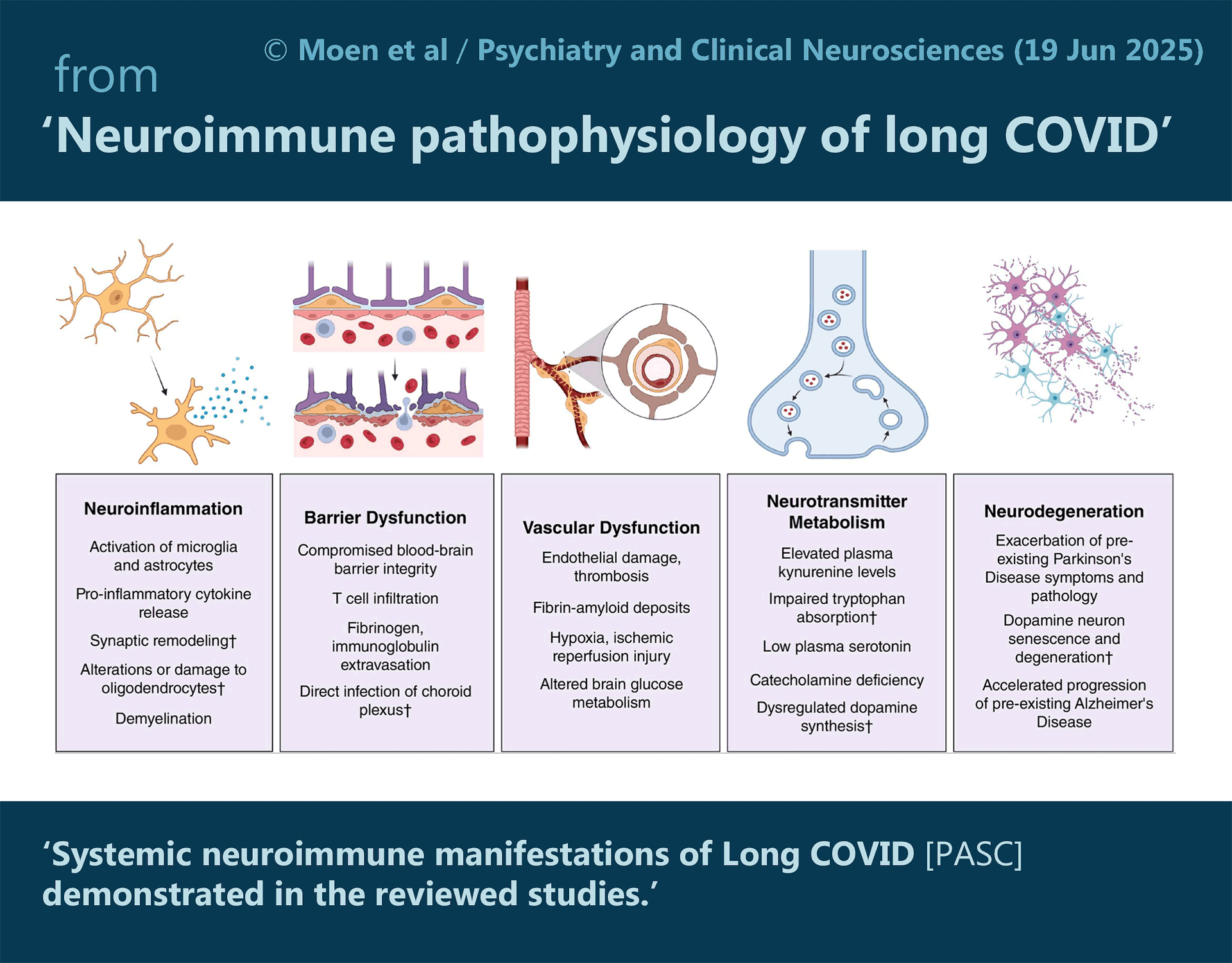
❦ ‘Neurodegeneration
- Exacerbation of pre-existing Parkinson’s Disease symptoms and pathology
- Dopamine neuron senescence and degeneration
- Accelerated progression of pre-existing Alzheimer’s Disease’
📖 (19 Jun 2025 ~ Psychiatry and Clinical Neurosciences) Neuroimmune pathophysiology of long COVID ➤
📖 (2 Feb 2025 ~ News Medical Life Sciences / Nature Medicine) Does COVID increase the risk of Alzheimer’s disease? ➤
‘The study found that individuals who had COVID-19 exhibited significant changes in brain biomarkers associated with Alzheimer’s disease.
Strikingly, these biomarker changes were comparable to four years of aging.
Interestingly, even participants who had mild or asymptomatic COVID-19 showed alterations in their plasma biomarkers, suggesting that the infection’s impact on brain health may not be limited to severe cases.
The researchers also analyzed cognitive test scores and neuroimaging data, finding that COVID-19-positive individuals exhibited lower cognitive test performance compared to controls – equivalent to almost two years of age-related cognitive decline.
Brain imaging revealed structural patterns associated with Alzheimer’s disease in some participants, further reinforcing the potential link between COVID-19 and neurodegeneration.’
© 2025 Dr. Chinta Sidharthan ~ News Medical Life Sciences / Duff et al ~ Nature Medicine.
📖 (8 Jan 2024 ~ Frontiers in Aging Neuroscience) Unravelling the connection between COVID-19 and Alzheimer’s disease: a comprehensive review ➲
‘[SARS-CoV-2’s] ability to invade the central nervous system through the hematogenous and neural routes, besides attacking the respiratory system, has the potential to worsen cognitive decline in Alzheimer’s disease patients.
SARS-CoV-2 infection causes immune system dysfunction, which can lead to suppression of neurogenesis, synaptic damage, and neuronal death, all of which are associated with the aetiology of Alzheimer’s disease.
COVID-19 causes a secondary effect on underlying brain pathologies, as SARS-CoV-2 has been shown to trigger or accelerate neurodegeneration processes that possibly explain long-term neurodegenerative effects in the elderly population.’
© 2024 Shajahan et al / Frontiers in Aging Neuroscience.
❦ Dementia is a general term for a collection of symptoms that affect memory, thinking, language, problem-solving, and other cognitive abilities to a degree that interferes with daily life and activities.
It is not a single disease but rather an overall term to describe a range of neurological conditions affecting the brain that worsen over time.
These conditions include Alzheimer’s disease, which accounts for 50–70% of cases of dementia worldwide.
Other types of dementia include vascular dementia, dementia with Lewy bodies, frontotemporal dementia, and mixed dementia (commonly Alzheimer’s disease and vascular dementia).
Dementia is not a normal part of ageing, although it is more common in older people.
📖 (3 Mar 2025 ~ Bloomberg UK) What We Know About Covid’s Impact on Your Brain ➲
‘For patients already battling Alzheimer’s disease, studies indicate that Covid can exacerbate brain inflammation, damage immune cells, and accelerate the disease.
Even previously healthy older adults face an increased risk of cognitive impairment and new-onset dementia after infection.’
© 2025 Jason Gale / Bloomberg UK.
📖 (28 Jul 2021 ~ Neurodegenerative Diseases) The Impact of the COVID-19 Pandemic on Dementia Risk: Potential Pathways to Cognitive Decline ➲
‘SARS-CoV-2 infection initiates a disease progression that has the potential to promote cognitive decline and exacerbate pre-existing dementia.
The damage cascade of COVID-19 is multi-faceted and interdependent, with multiple pathways that could lead to cognitive hazard mechanisms.
One such cognitive hazard mechanism, cerebral direct infection, is possible with the SARS-CoV-2 virus, exhibiting neuroinvasive and neurotropic characteristics with neurovirulent potential.
The greatest cognitive risk though may be from immune-mediated damage originating as cytokine storms that have far-reaching consequences for multiple organ systems, including the brain.’
© 2021 Pyne & Brickman / Neurodegenerative Diseases.
❦ Cognitive processing speed
- The rate at which your brain takes in, interprets, and responds to information.
- It is a crucial cognitive skill that affects how quickly you can understand instructions, solve problems, and complete tasks.
📖 (4 Apr 2023 ~ EurekAlert / Journal of Alzheimer’s Disease Reports) New study shows SARS-CoV-2 infection accelerates the progression of dementia ➲
‘All subtypes of dementia, irrespective of patients’ previous dementia types, behaved like rapidly progressive dementia following [infection with SARS-CoV-2].
The characteristics of a particular type of dementia changed following COVID-19, and both degenerative and vascular dementias started behaving like mixed dementia both clinically and radiologically.
A rapidly and aggressively deteriorating course was observed in patients having insidious onset, slowly progressive dementia, and who were previously cognitively stable.
Cortical atrophy was also evident in the study’s subsequent follow-ups.
Coagulopathy involving small vessels and inflammation, which were further correlated with white matter intensity changes in the brain, was considered the most important pathogenetic indicator.
The rapid progression of dementia, the addition of further impairments / deterioration of cognitive abilities, and the increase or new appearance of white matter lesions, suggest that previously compromised brains have little defense to withstand a new insult (i.e. a ‘second-hit’-like [SARS-CoV-2] [re]infection).’
© 2023 IOS Press / Dubey et al ~ Journal of Alzheimer’s Disease Reports.
Now consider a third, fourth, fifth and sixth-plus ‘hit’.
📖 (5 Jul 2023 ~ The Lancet Regional Health: Western Pacific) Post-COVID cognitive dysfunction: current status and research recommendations for high risk population ➤
‘Non-severe COVID-19 [SARS-2] was associated with a [71%] higher risk of early-onset cognitive decline, with an OR of 1.71 (1.30–2.27).
The increased risk of cognitive impairment, seizures, dementia, psychosis, and other neurocognitive conditions persisted for at least two years.’
© 2023 Quan et al / The Lancet Regional Health: Western Pacific.
📖 (17 Aug 2024 ~ Journal of Neuroinflammation) Deterioration of neuroimmune homeostasis in Alzheimer’s Disease patients who survive a COVID-19 infection ➤
‘Our data demonstrate a profound impact of COVID-19 infection on neuroimmune and glial pathways in Alzheimer’s Disease patients persisting for months post-infection.’
© 2024 Villareal et al / Journal of Neuroinflammation.
📖 (28 Jul 2021 ~ Neurodegenerative Disease Management) Direct and indirect impact of SARS-CoV-2 on the brain ➤
‘COVID-19 represents a credible risk for cognitive decline and has the potential to exacerbate pre-existing dementia.
For those at higher-baseline dementia risk, older adults, those with cardiovascular risk factors, and people of color, COVID-19 may not only increase the risk of cognitive decline but also interact in a synergistic way with pre-existing dementia risk factors to disproportionately increase this dementia risk.’
© 2021 Pyne & Brickman / Neurodegenerative Disease Management.
📖 (30 Aug 2021 ~ Canadian Medical Association Journal) Even mild COVID-19 may have long-term brain impacts ➤
‘Research presented at the Alzheimer’s Association International Conference suggests even mild cases of COVID-19 may be associated with cognitive deficits months after recovery [from the acute phase].
One Argentinian study of 234 seniors who previously had COVID-19 found that more than half showed some degree of cognitive impairment months later.
One in three had severe “dementia-like” impairments in memory, attention and executive function – a much higher proportion than the 5%–8% of seniors in the general population who have dementia at a given time.
Similar deficits have also been noted in patients after recovery from other coronaviruses. A 2020 systematic review and meta-analysis found that delirium was common in the acute stage of Severe Acute Respiratory Syndrome (SARS), Middle East Respiratory Syndrome (MERS), and COVID-19 [SARS-2].
Following up with patients six weeks to 39 months later, more than 15% reported sleep disorders, mood swings, trouble concentrating, impaired memory, and other mental challenges.’
© 2021 Diana Duong / Canadian Medical Association Journal.
📖 (17 Apr 2025 ~ Discover Mental Health) COVID-19 and cognitive impairment: a review of the emerging evidence ➤
‘The acute phase of COVID-19 [SARS-2] is marked by a rapid-onset inflammatory response that results in widespread neuronal damage and cerebrovascular complications.
In some cases, these acute insults resolve with time, leading to cognitive recovery.
However, for individuals with long COVID [PASC], prolonged neuroinflammatory activity, persistent endothelial dysfunction, and sustained HPA axis dysregulation* contribute to chronic cognitive impairment.’
* HPA axis dysregulation occurs when the communication between the hypothalamus, pituitary gland, and adrenal glands becomes disrupted, leading to abnormal cortisol levels and stress responses. This can result in symptoms like chronic stress, fatigue, mood instability, and various health issues.
© 2025
Aderinto
et al / Discover Mental Health.
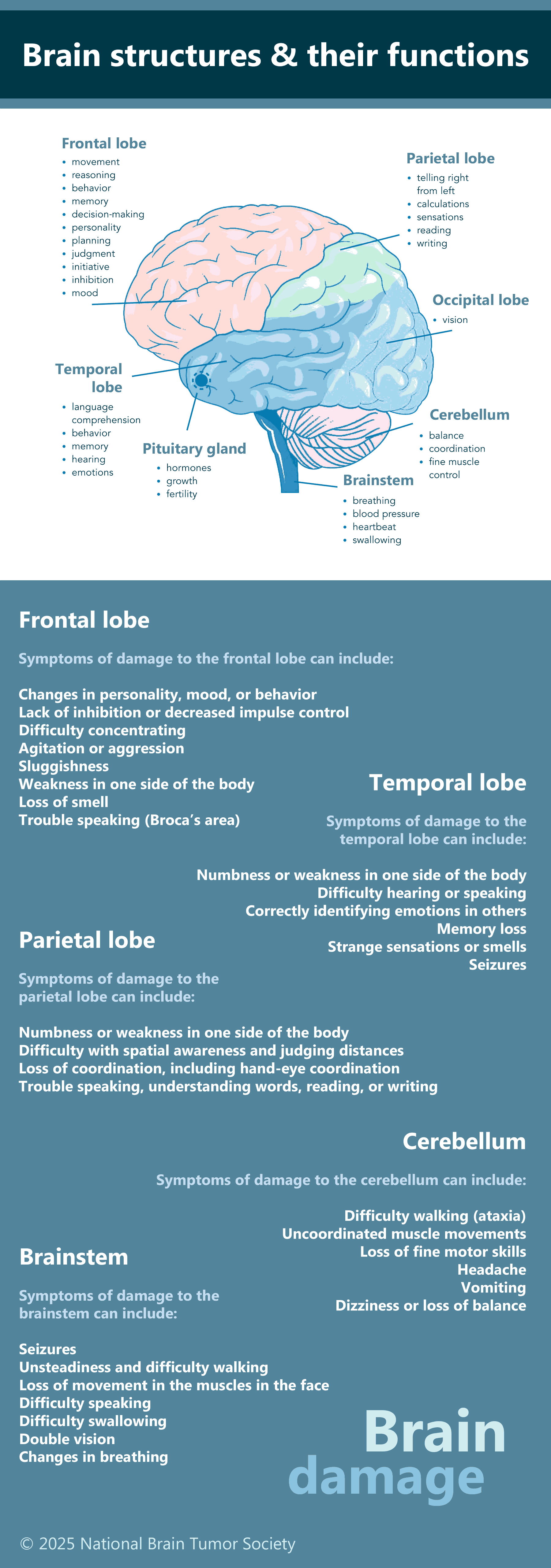
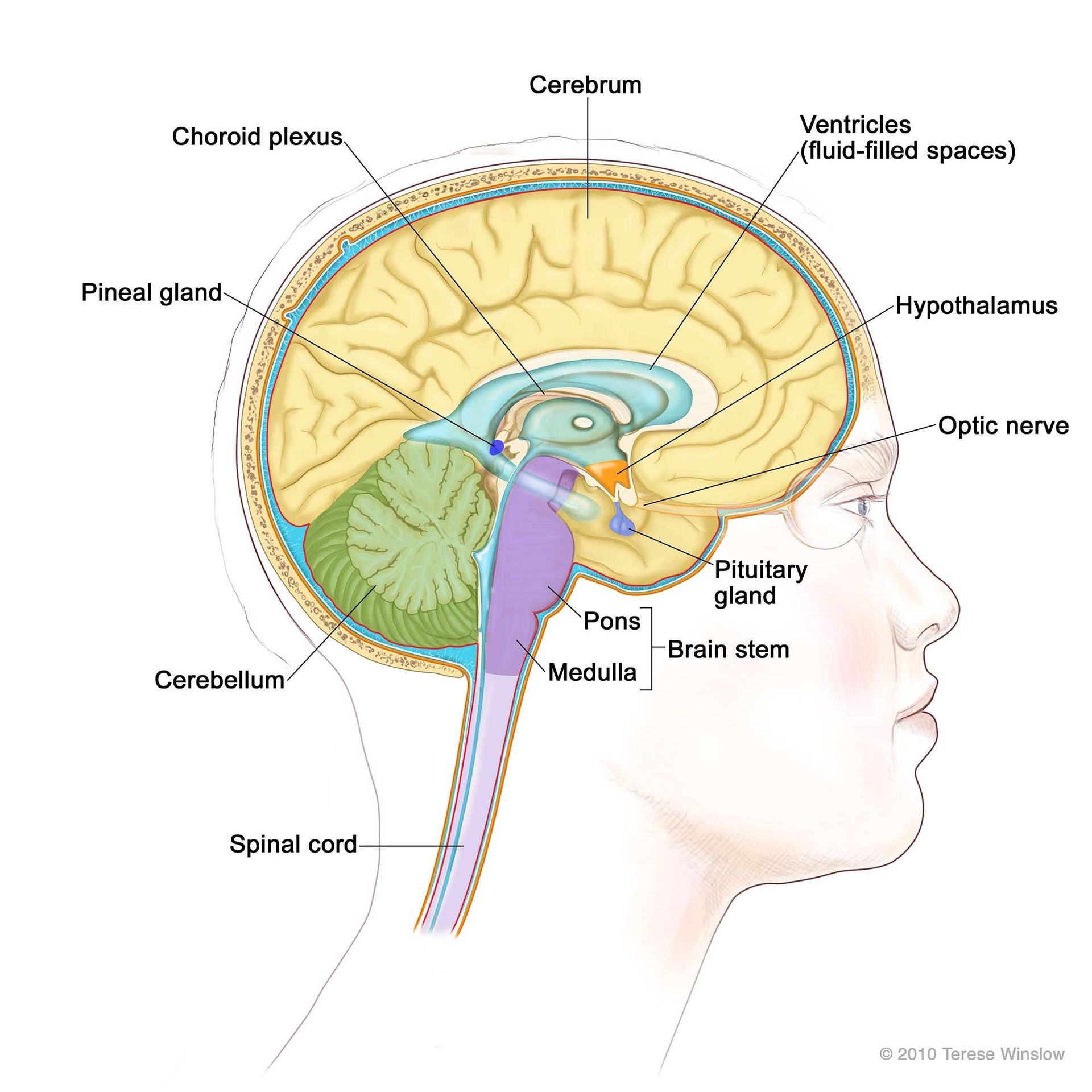
❦ The cerebrum is the uppermost and largest part of the brain. It processes sensation, generates thought, and controls conscious activity.
The cerebrum has two sides – the right and the left hemispheres that each control the opposite side of the body – and each side is divided into four lobes with specific functions: the frontal lobe, the parietal lobe, the temporal lobe, and the occipital lobe.
❦ Frontal Lobe
The frontal lobe is responsible for higher executive functions like regulating emotions, planning, reasoning, and problem-solving.
❦ Parietal Lobe
The parietal lobe is responsible for processing and interpreting sensory information like touch, temperature, pressure, and pain. It is also involved in telling right from left, navigation, language, and reading.
❦ Temporal Lobe
The temporal lobe is responsible for hearing and understanding what we’re hearing, visual processing like recognising people’s faces, and memory.
❦ Occipital Lobe
The occipital lobe is responsible for sight and activities like reading and recognising colors.
❦ Cerebellum
The cerebellum is mainly responsible for balance, co-ordination, movement, and fine motor skills.
❦ Brainstem
The brainstem controls involuntary and essential functions such as breathing, and the beating of the heart.
❦ Meninges
The meninges are three layers of tissue that surround and protect the brain and the spinal cord. The meninges provide a support system and protect the nervous system from injury.
❦ Pituitary Gland
While not technically part of the brain, the pituitary gland secretes hormones and helps regulate many processes in the body like growth, metabolism, and reproduction.
📖 (1 Apr 2023 ~ Human Genetics) Direct and indirect impact of SARS-CoV-2 on the brain ➤
‘From mild anosmia to severe ischemic stroke, the impact of SARS-CoV-2 on the central nervous system is still a great challenge to scientists and healthcare practitioners.
Strikingly, even asymptomatic and mild-diseased patients may evolve with important neurological and psychiatric symptoms such as confusion, memory loss, cognitive decline and chronic fatigue, associated or not with anxiety and depression.’
© 2023 J. Peron / Human Genetics.
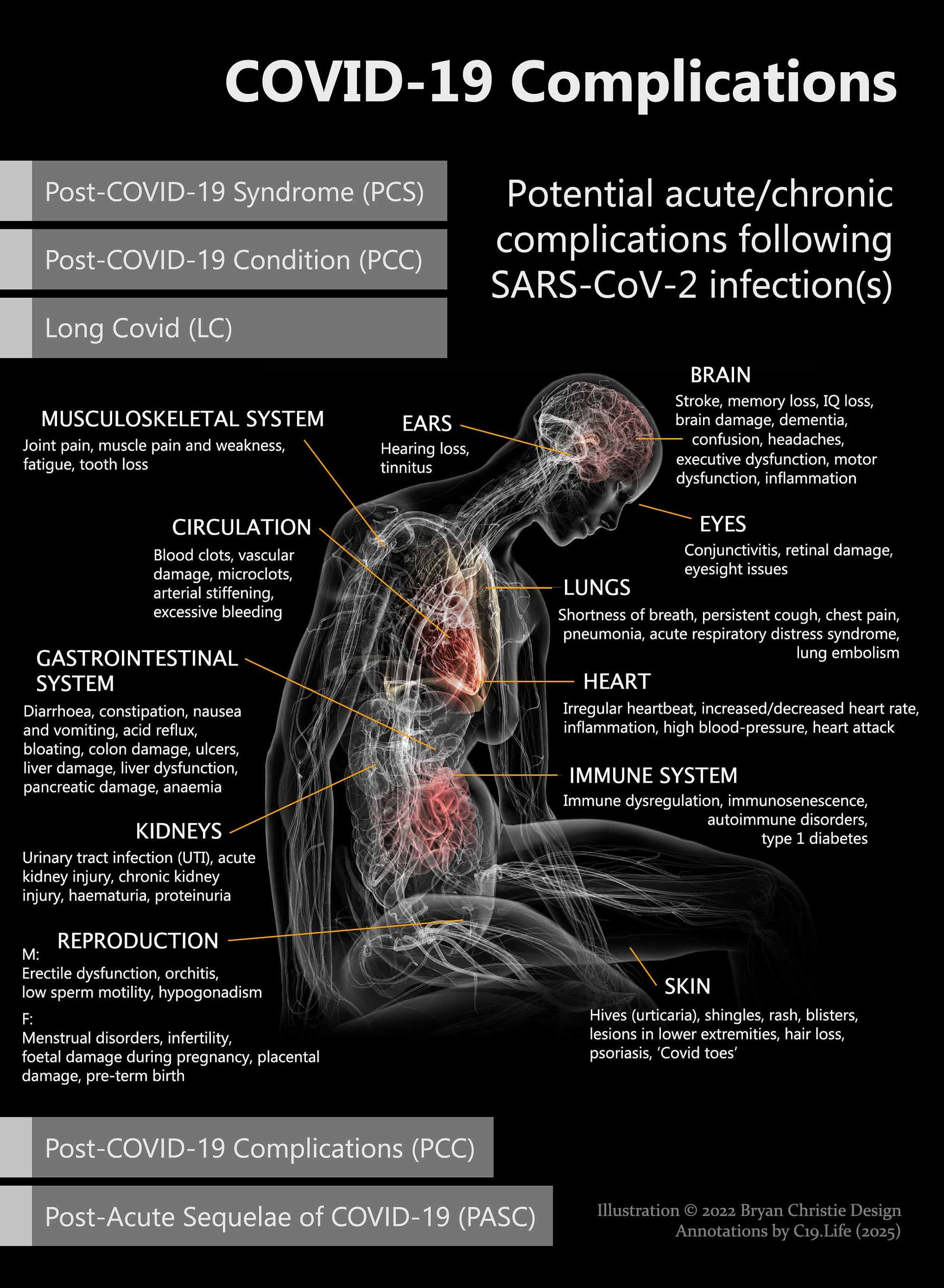
❦ SARS-CoV-2 (COVID-19) infections can lead to significant short- and long-term (acute/chronic) health effects in nearly every organ system of the body.
✺ Long Covid (LC)
- Patient-coined term (2020).
✺ Post-Acute Sequelae of COVID-19 (PASC)
- ICD-10 (International Classification of Diseases) code for PASC, commonly referred to as long COVID, is U09.9 (‘Post COVID-19 condition, unspecified’) (2021).
Illustration © 2022 Bryan Christie Design.
Annotations by C19.Life (2025). ➲
✾
Studies, articles & comment on... SARS-CoV-2, brain damage, neurological damage, and dementia





More ☰ Lists...